Compassionate Cancer Care, Near You
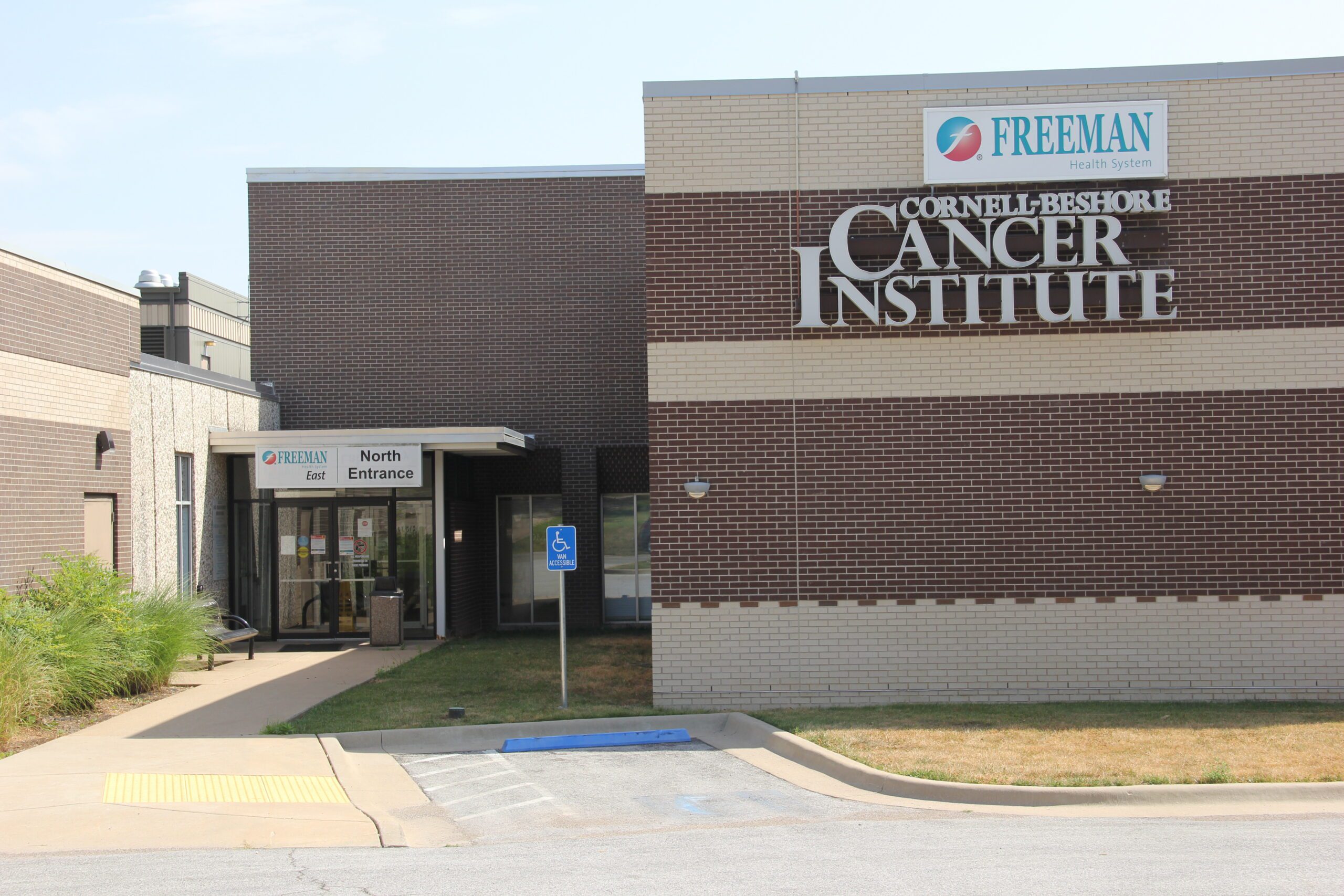
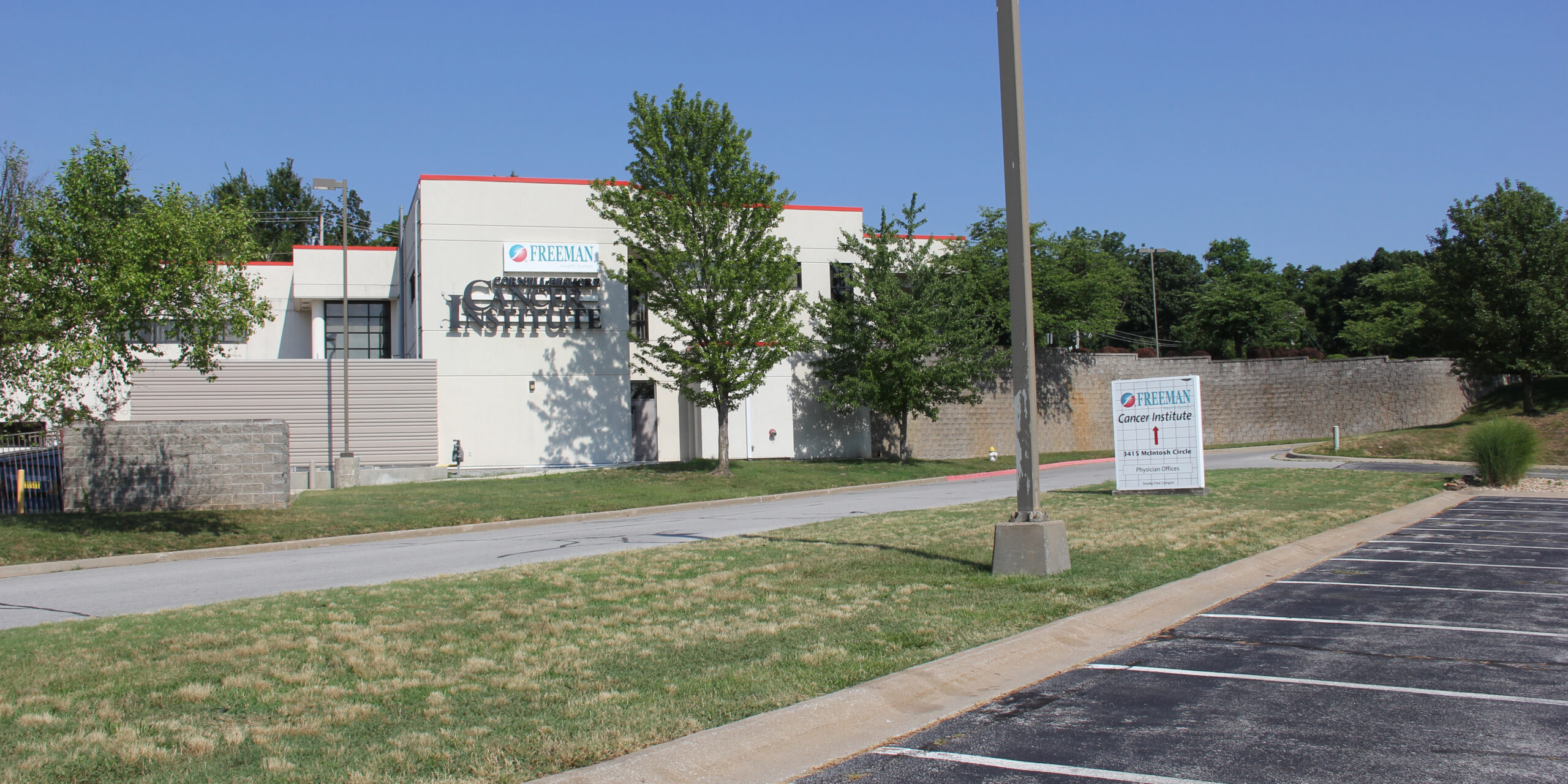
Freeman Cornell-Beshore Cancer Institute brings together the many services necessary to provide comprehensive care for patients and families dealing with cancer. Our supportive team uses the most advanced technology available to treat and overcome cancer so you can rest assured that you or your loved one is in good hands.
Medical Oncology
Care that treats the person, not just the diagnosis.
Freeman Cornell-Beshore Cancer Institute provides physical and emotional care for patients and families dealing with cancer. We provide comprehensive services and the most up-to-date technological advancements in the fight against cancer – all in one convenient and comfortable setting.
To us, patients are more than just their cancer symptoms. From the design of our facility to the support and education groups offered, we strive to meet each patient’s unique needs and treat cancer individually and precisely.
20
Chemotherapy chairs in a spacious, windowed infusion area
On-site
Mix pharmacy with ChemoSHIELD® 600 Barrier Isolator Mix hood
Dedicated
Patient education room
1st
And only QOPI®-certified practice in the area
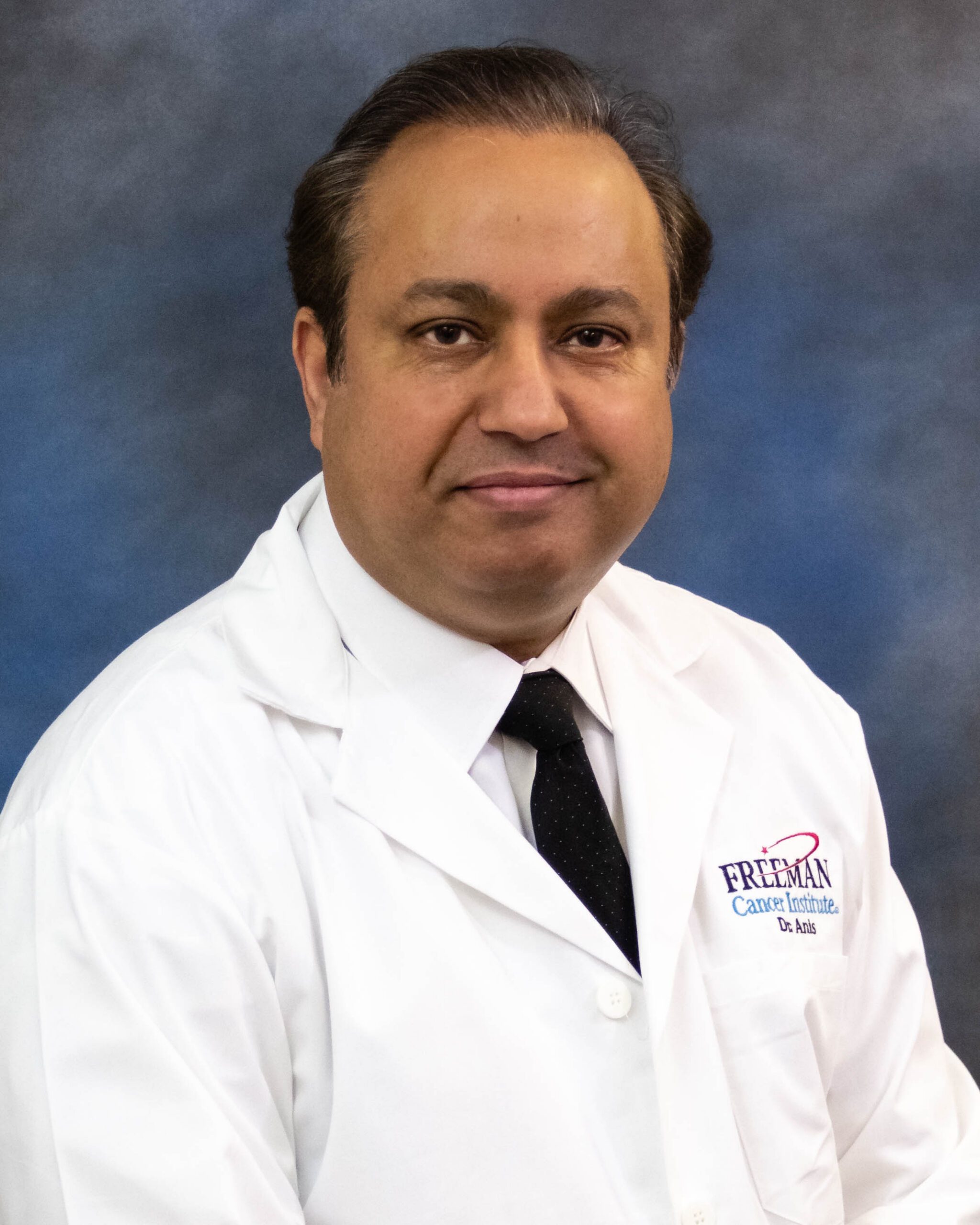
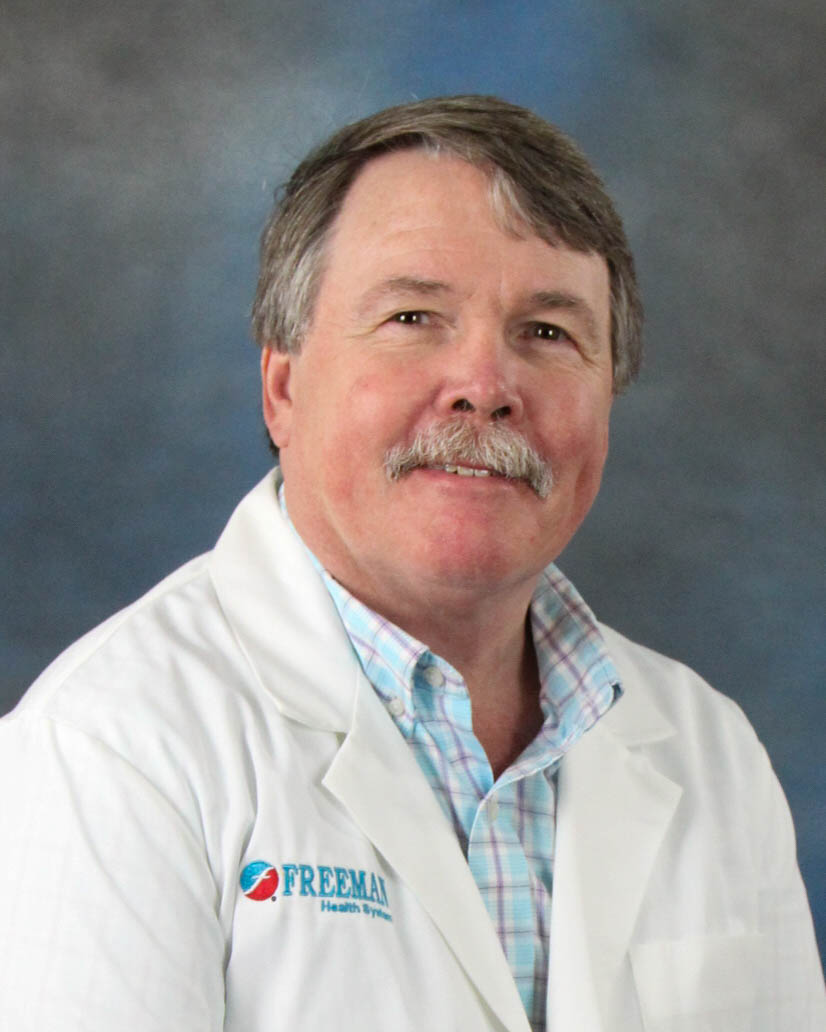
Our patients — and their families — don’t face cancer alone. Through a network of compassionate physicians, nurses and support staff, we provide education, treatment and encouragement throughout our patient’s battle with cancer — and throughout their lives.
A facility designed around you & a team to match.
Our Facility & Services
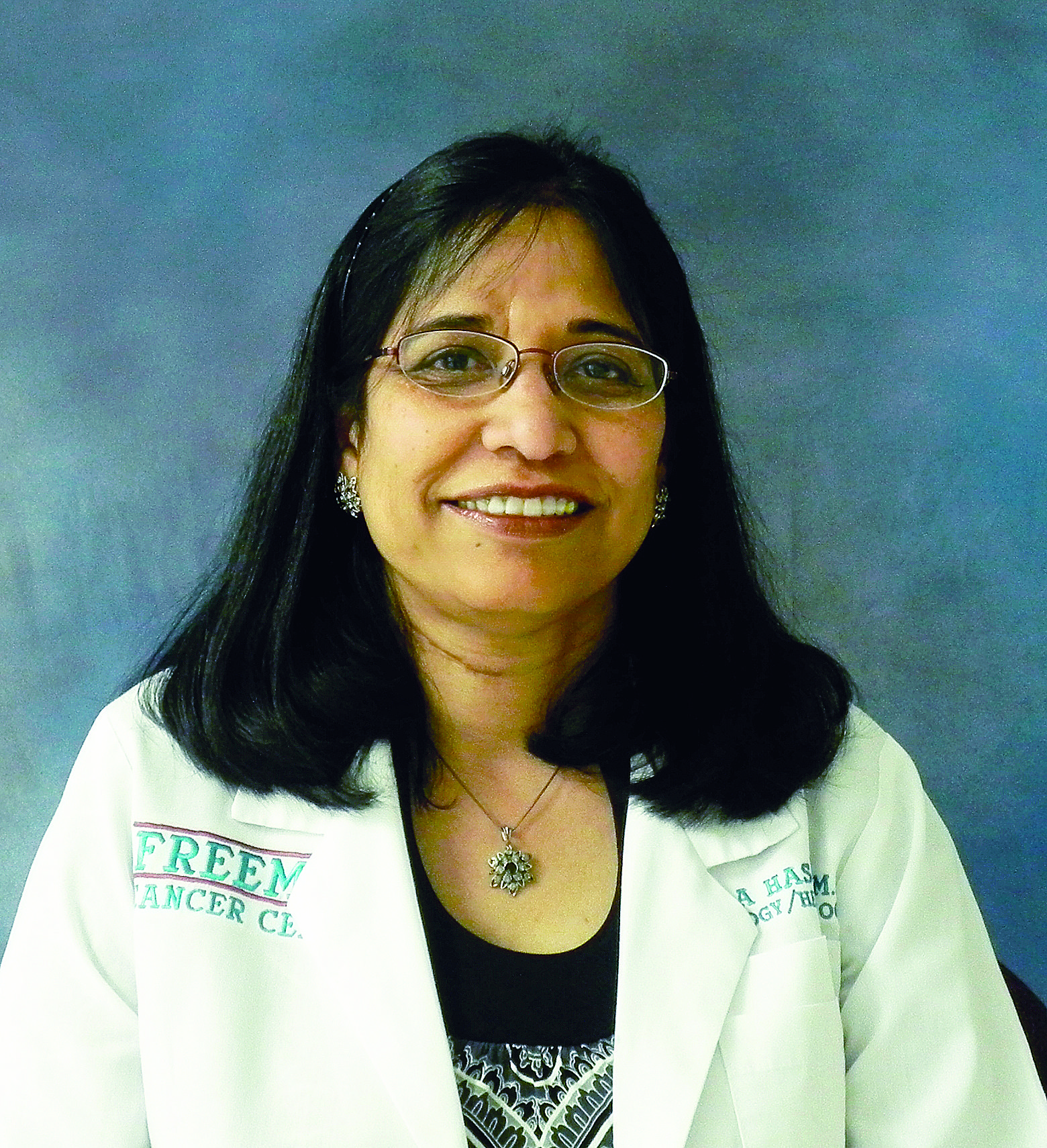
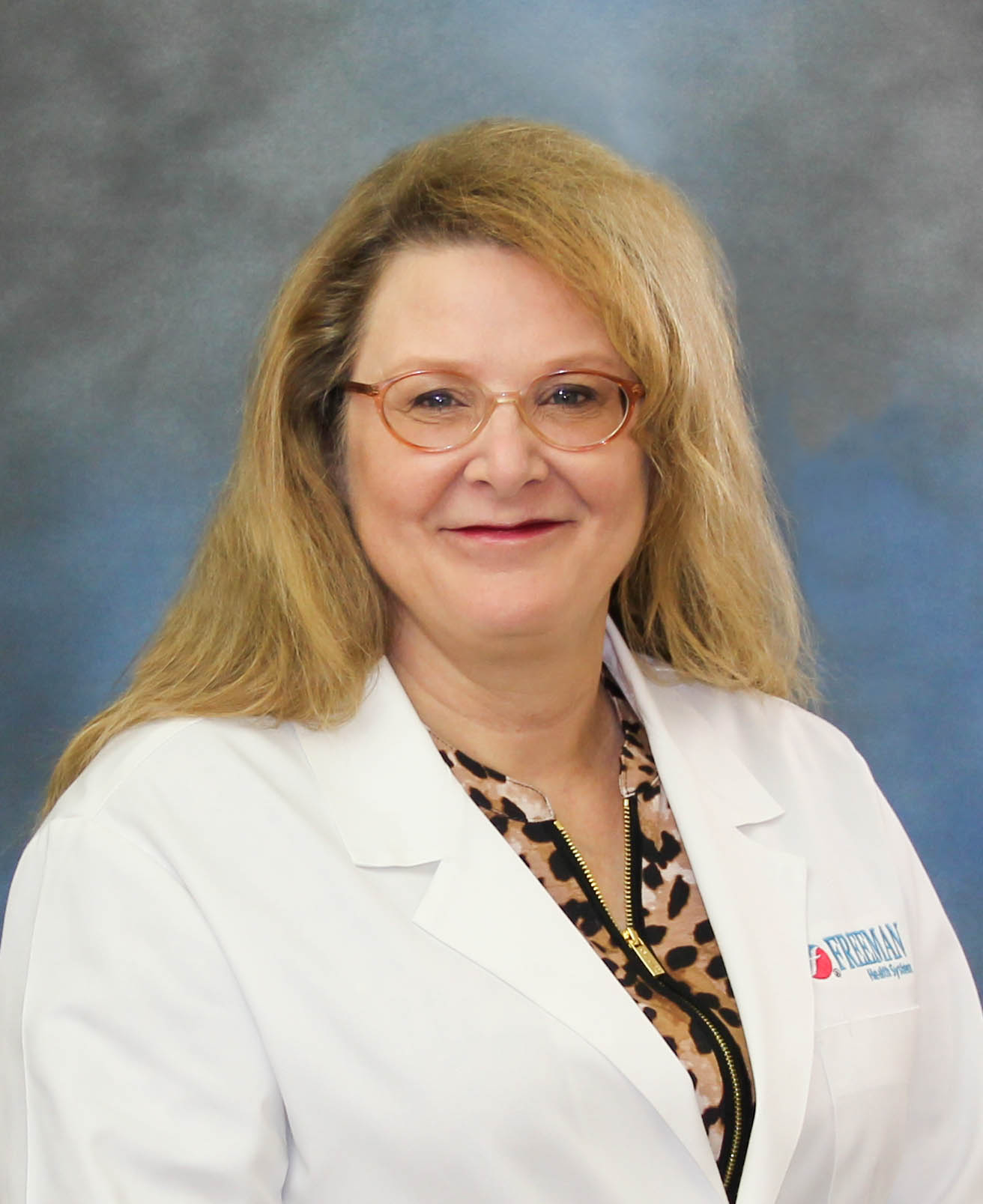
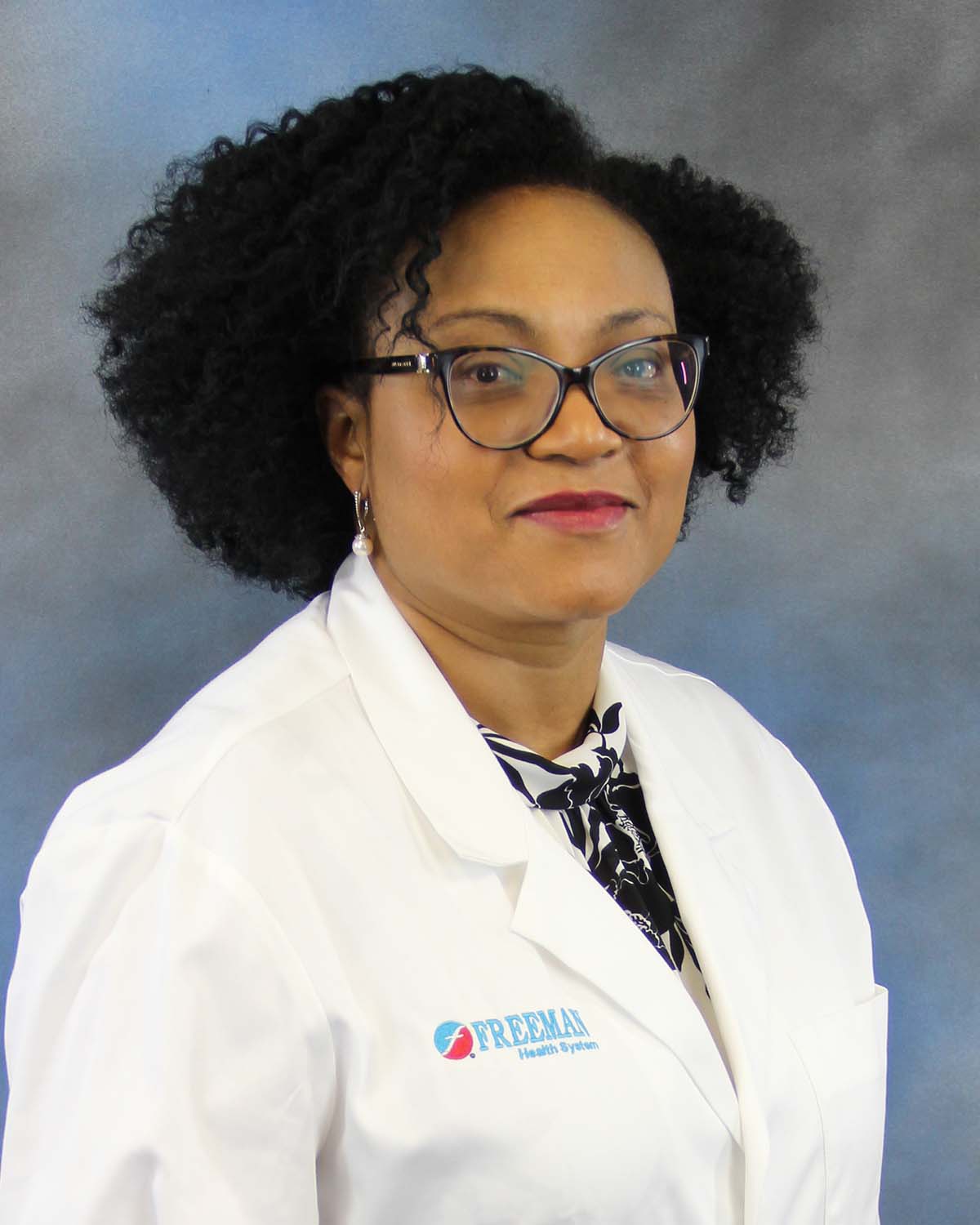
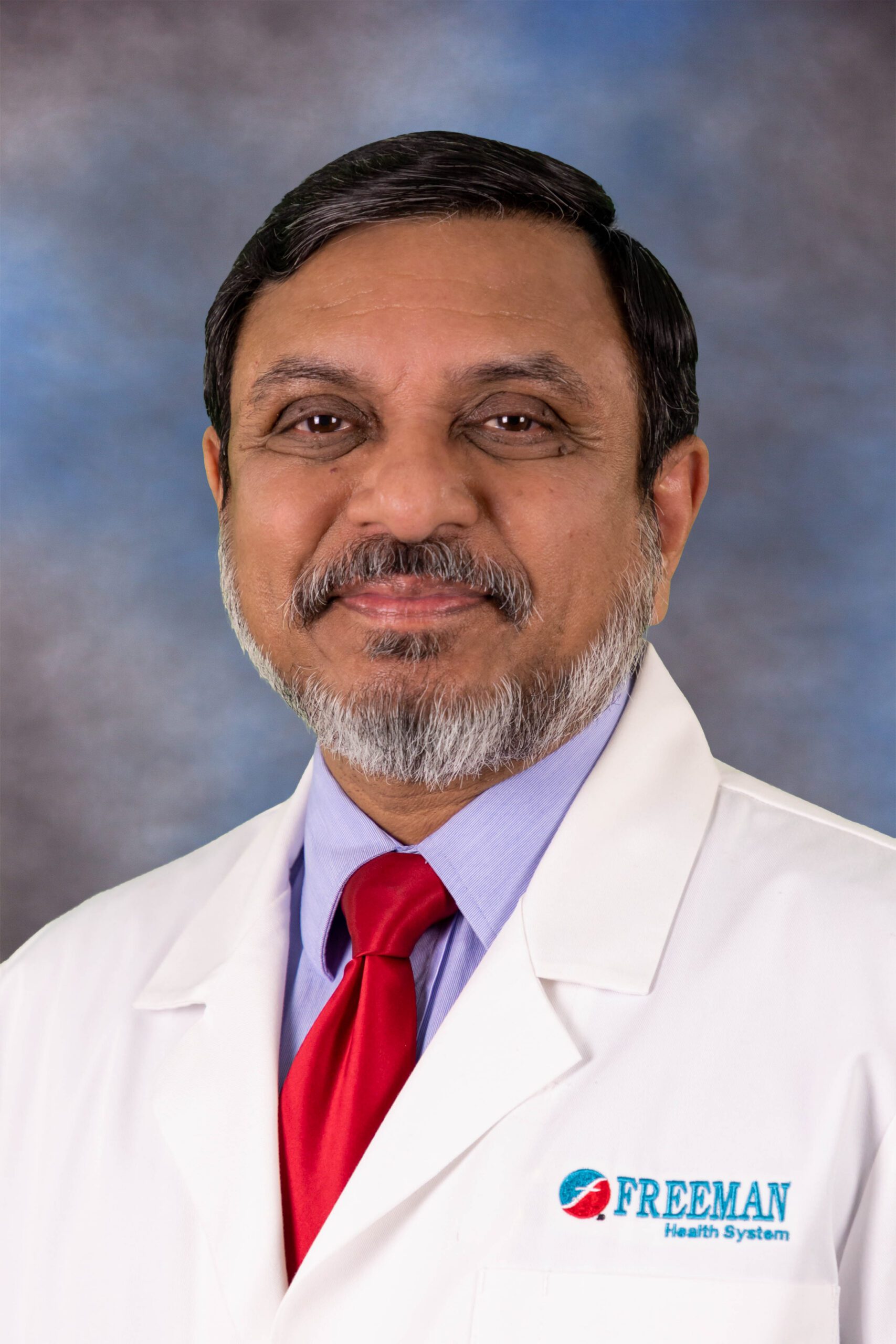
Our Multidisciplinary Team

Quality Oncology Practice Initiative
Freeman is the first and only practice in the area to earn QOPI® certification.
Freeman Health System has been recognized by the QOPI® Certification Program (QCP™), an affiliate of the American Society of Clinical Oncology (ASCO®), as successfully completing a three-year certification program for outpatient hematology-oncology practices that meet nationally recognized standards for quality cancer care. QCP builds on ASCO’s Quality Oncology Practice Initiative.
Freeman is the first and only in the area to earn this designation. More than 900 oncology practices have registered for the QOPI program and more than 290 practices are currently certified.
QOPI analyzes individual practice data and compares these to more than 160 evidence-based and consensus quality measures. The information is then provided in reports to participating practices. Individual practices also are able to compare their performance to data from other practices across the country. Based on this feedback, doctors and practices can identify areas for improvement.
To become QOPI Certified, practices have to submit to an evaluation of their entire practice and documentation standards. The QCP staff and task force members then verify through an on-site survey that the evaluation and documents are correct and that the practices met core standards in areas of treatment, including:
Radiation Oncology
Targeted therapy, powered by advanced technology.
For more information, please contact Ben Blair, Freeman Director of Radiation Oncology, at 417.347.2200 or [email protected].
Treatment Options
During HDR brachytherapy treatments, a high intensity radiation source is delivered through a catheter to the tumor site with millimeter prevision through computer guidance. Because cancer often affects organs and other essential structures, it is important for radiation treatment to be tightly focused on tumors to minimize serious side effects. This technique ensures the maximum radiation dose is given to cancerous tissues, while minimizing exposure to the surrounding healthy tissue.High-dose rate brachytherapy is a powerful form of internally delivered radiation therapy that destroys many types of cancers, including skin, cervical, prostate and breast. HDR brachytherapy can be used as a standalone treatment or after a tumor has been surgically removed to eliminate any remaining cancerous cells.
The overall treatment time at the tumor site is generally 10 to 20 minutes. Treatment is delivered either once or twice per day for approximately one week. The radiation source is completely removed after each treatment and no radiation remains inside the body between treatments. Depending on the type of cancer being treated, a high-dose rate treatment plan may require one session or multiple sessions over a course of up to one week.
Depending on the tumor location, treatments are minimally invasive and are performed as outpatient procedures.
There are fewer side effects than external radiation, such as burning or irritation to the skin.
Freeman Cornell-Beshore Cancer Institute – dedicated to bringing the most advanced and complete cancer therapy to Joplin and surrounding communities – now offers Optune, a treatment for patients with glioblastoma, an especially aggressive form of brain and spinal cord cancer.
Optune is a portable, non-invasive skull cap that uses tumor-treating fields (TTFs), which are alternating electric fields directed through the tumor area. The goal of these TTFs is to stop the tumor cells from dividing and cause the tumor cells to die. These TTFs are generated by placing electrodes on the patient’s head as directed by the physician.
This treatment has the potential to extend a patient’s life, has very few side effects and is well-tolerated. Freeman is pleased to be able to offer this treatment and the hope it provides.
Freeman is the first and only hospital in the region offering the OsteoCool™ RF Ablation System, a pain-relieving procedure for treating bone tumors.
For cancer patients, tumors that have metastasized – or spread – to surrounding bone can affect quality of life, producing complications such as pain, fractures and decreased mobility. In some cases, the pain makes it difficult for patients to continue with radiation or other cancer treatments.
OsteoCool is cooled radiofrequency (RF) ablation technology. With OsteoCool, one or two small incisions are made near the location of the tumor. Sizing tools create a pathway into the bone. Then RF ablation uses alternating, low-power current to generate heat, which a probe delivers to the tumor to intentionally dry out and kill cancerous cells.
RF power levels are generated specifically for the bone lesion size. RF energy heats the tissue while circulating water moderates the temperature close to the active probe tip.
Bone tumors can cause compression fractures in the spine, so patients may also have a vertebral-stabilizing procedure, called Kyphon™ Balloon Kyphoplasty. This procedure is done at the same time and with the same incision sites as OsteoCool. In this procedure, a neurosurgeon inserts an orthopaedic balloon to raise the collapsed vertebra and create a cavity. The cavity is filled with a special cement to support the surrounding bone and prevent further collapse.
Ask your cancer doctor if OsteoCool is right for you!
Osteocool™ is frequently used in treating tumors on the spine. To learn more about Freeman Neurosurgery services visit freemanhealth.com/neuro.
Patients can find resources and see how OsteoCool works at medtronic.com/learnaboutosteocool.
Types of Cancer
Because breast cancer can present in many ways, and every woman’s breasts are different, patients should look for anything new or changing in the breast. Common signs and symptoms are:
Early detection is the best protection
The gold standard for breast cancer screening is mammography. The American Cancer Society recommends women over age 40 have a mammogram every year. If you have a first-degree relative (mother, sister, daughter) with breast cancer, then you should start screening mammograms 10 years prior to the age she was diagnosed (but not before age 25).
Risk Factors for Breast Cancer
Studies have shown that your risk for breast cancer is due to a combination of factors. Not all risk factors are created equal, and having a risk factor does not mean that you will get breast cancer. The main factors that influence your risk include being a woman and getting older.
If you have breast cancer risk factors or you have concerns about breast cancer, talk with your doctor about ways you can lower your risk and about screening for breast cancer.
In 2013, more than 12,000 women were diagnosed with cervical cancer. According to the CDC, cervical cancer is the most preventable cancer that affects women. Early detection is key — regular screenings, called Pap tests, can detect changes in your cervical cells and increase the chance that cervical cancer will be found early and treated successfully. Most cervical cancer is caused by human papillomavirus (HPV), a sexually transmitted disease; HPV can be detected with an HPV screening.
Freeman physicians recommend the following:
Often, cervical cancer does not produce symptoms until it has developed into a later stage. Symptoms of later-stage cervical cancer can include:
Other diseases can cause these symptoms as well. If you are experiencing any of the above symptoms, please call your physician today to make an appointment. If you would like help finding a medical provider, please call the Freeman Physician Finder at 417.347.3767 or 800.297.3337.
Skin cancer is the most common type of cancer–each year, more than 3.5 million cases are diagnosed in the United States. Early detection is key to improving the chance of successful treatment. Know the ABCDEs of early detection. A physician should check areas on your skin that have:
90% of nonmelanoma skin cancers are associated with exposure to ultraviolet (UV) radiation from the sun. The good news is you can help prevent skin cancer by protecting yourself from UV exposure. Try these tips from the CDC: