
Targeted Cold Therapy for Lasting Knee Pain Relief

When sensory nerves transmit pain (sensory) signals from the affected region to the brain, the brain then instructs that specific (affected) region in the body to alter its function to help mitigate the pain. The body’s natural response to pain, especially musculoskeletal pain, disrupts physical function. This pain affects and inhibit one’s normal daily activities.
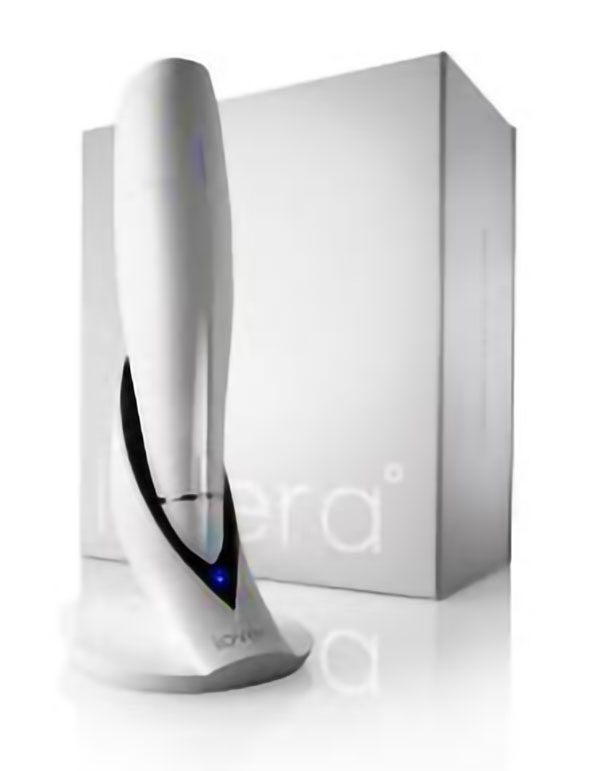
Long Lasting (Non-Opioid) ‘Cold Knee Therapy’ for Knee Replacement Patients

The iovera® technology disrupts the transmission of pain signals to the brain by taking advantage of the body’s natural response to cold. This mechanism is referred to as cryoanalgesia (cryo = cold, analgesia = pain relief) – and Freeman is the first and only hospital in the region to utilize this technology.

Cryoanalgesia is the reversible destruction of the signal carrying parts of a nerve.  It is a small subset of treatments under the broad umbrella of cryotherapy.

Until now traditional cryotherapy treatments were invasive and used large complicated machines.

The iovera® system has revolutionized the delivery of cryoanalgesia. With the iovera® system, our doctors are able to deliver precise, controlled doses of cold temperature only to the targeted nerve through a handheld device.  This needle-based procedure is safe, and does not damage or destroy the surrounding tissue.

The iovera®o treatment uses the body’s natural response to cold to treat peripheral nerves and immediately reduce pain – without the use of drugs. Treated nerves are temporarily stopped from sending pain signals for a period of time followed by a restoration of function.

It is important to note that the iovera (R) o therapy does not treat the underlying cause of the pain. Timely remediation is necessary to address and treat the cause of pain.

The iovera® treatment works by applying targeted cold to a peripheral nerve. A precise cold zone is formed under the skin – cold enough to immediately prevent the nerve from sending pain signals without causing damage to surrounding structures. The effect on the nerve is temporary, providing pain relief until the nerve regenerates and function is restored.

Results from the iovera® treatment can be felt immediately after treatment.  When the treatment is applied to a specific nerve, it will interrupt that nerve’s ability to send a pain signal, providing an immediate reduction in pain.

A local anesthetic will be administered to the area before treatment.  While the treatment should not be painful, it is normal to experience pressure, a sensation of cold, warmth, tingling and/or tapping during treatment.  This altered sensation during treatment is an indication that the treatment is working.

Common side effects include local pain, tenderness, swelling, bruising and tingling or numbness.  Typically, these reactions resolve with no physician intervention.

The iovera® treatment does not include injection of any substance – drugs, opioids or narcotics.  The effect of this treatment is immediate and can last up to 90 days.  In one study, the majority of the patients suffering from osteoarthritis of the knee have experienced pain and symptom relief beyond 150 days.1

The benefits of iovera® include:

  • Decreased knee pain
  • Less stiffness
  • Improved physical function
  • Fewer opioid prescriptions
  • Faster recovery
  • Reduced pain – 12 weeks after surgery, the majority of patients who received I treatment continued to experience less pain2

Learn More About iovera®

visit iovera.com

Make an Appointment

for knee replacement and/or iovera® treatment

Call Dr. Derek Miller at 417.347.5400

Footnote1 – Radnovich, R. et al. “Cryoneurolysis to treat the pain and symptoms of knee osteoarthritis: a mulitcenter, randomized, double-blind, sham-controlled trial.” Osteoarthritis and Cartilage (2017) p1-10.
Footnote
2  – Dasa, V. et al. “Percutaneous freezing of sensory nerves prior to total knee arthroplasty.” The Knee (2016) p523-528.  

iovera® is FDA-cleared platform technology. All information courtesy of iovera®.