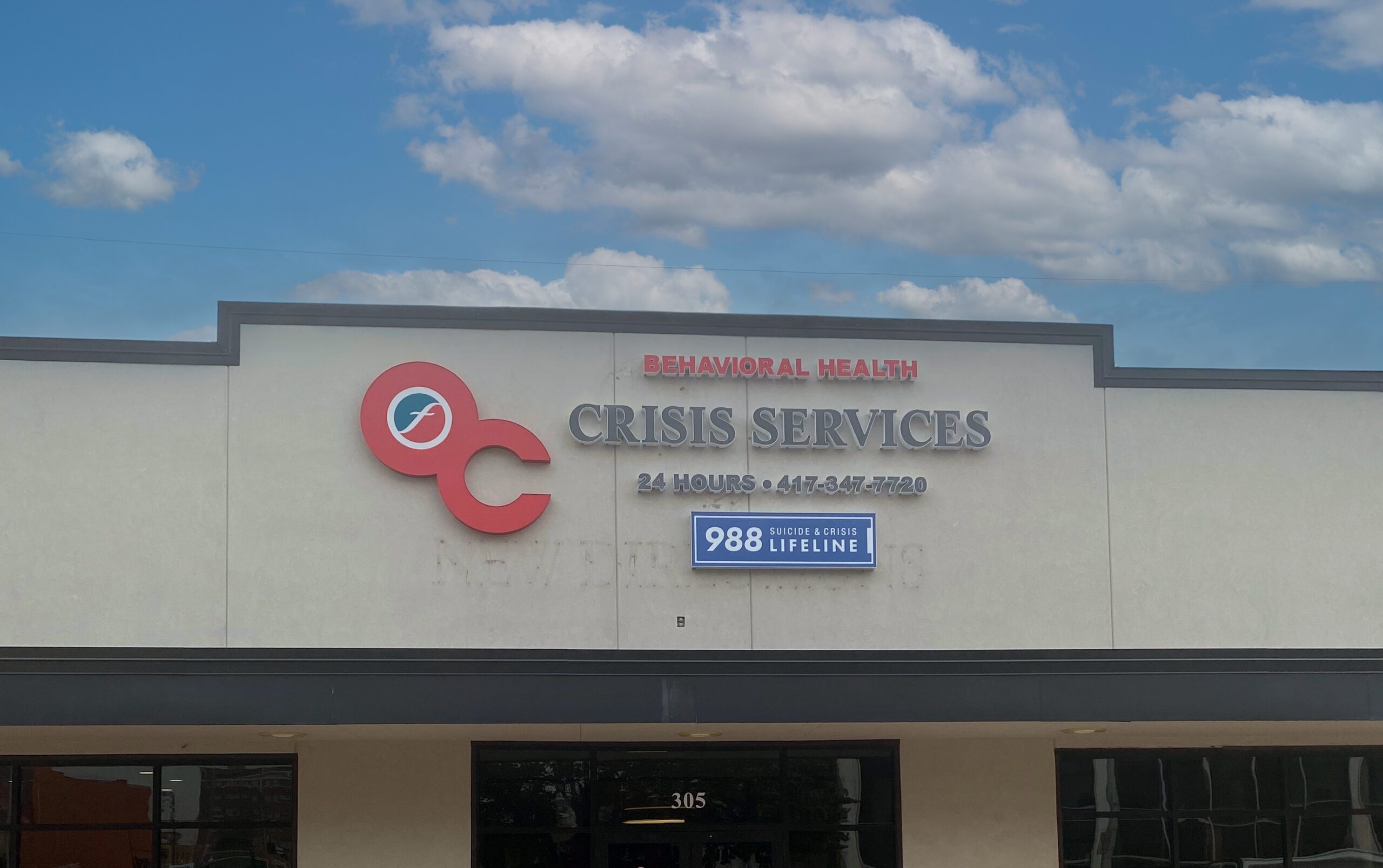
Crisis Care When You Need It
Ozark Center Crisis Intervention Services offers 24/7 support to people of all ages and backgrounds who are experiencing a personal, emotional or mental health crisis. Individuals can receive private, caring assessments and evaluations through:
National Suicide and Crisis Lifeline
Call or Text 988
The national 988 Suicide & Crisis Lifeline offers skilled compassionate help for mental health and substance use problems for anyone at any time. A simple, convenient three-digit number provides an immediate resource available at any hour.
When Should You Call the Crisis Line?
You experience:
A friend or family member talks about death, dying or suicide
For short-term counseling needs
For information about prevention, resources or referrals for behavioral health services in our area
Ozark Center Crisis Intervention
Ozark Center Crisis Services Include:
When you call our crisis services help line, you will always speak with a trained, compassionate and nonjudgmental mental health professional. Our crisis counselors strive to help you gain immediate emotional relief, discover new life skills and develop solutions.
Dial 988 to speak to a mental health professional now. Translation and TTY/TDD services are available. For messaging service, text REGISTER to 720-7-TXTOZK (720.789.8695).
24-Hour
help line, brief phone counseling, education, information and referrals
24-Hour
messaging service available via text message or web interface
Face-to-Face
mobile response team assessment and evaluation
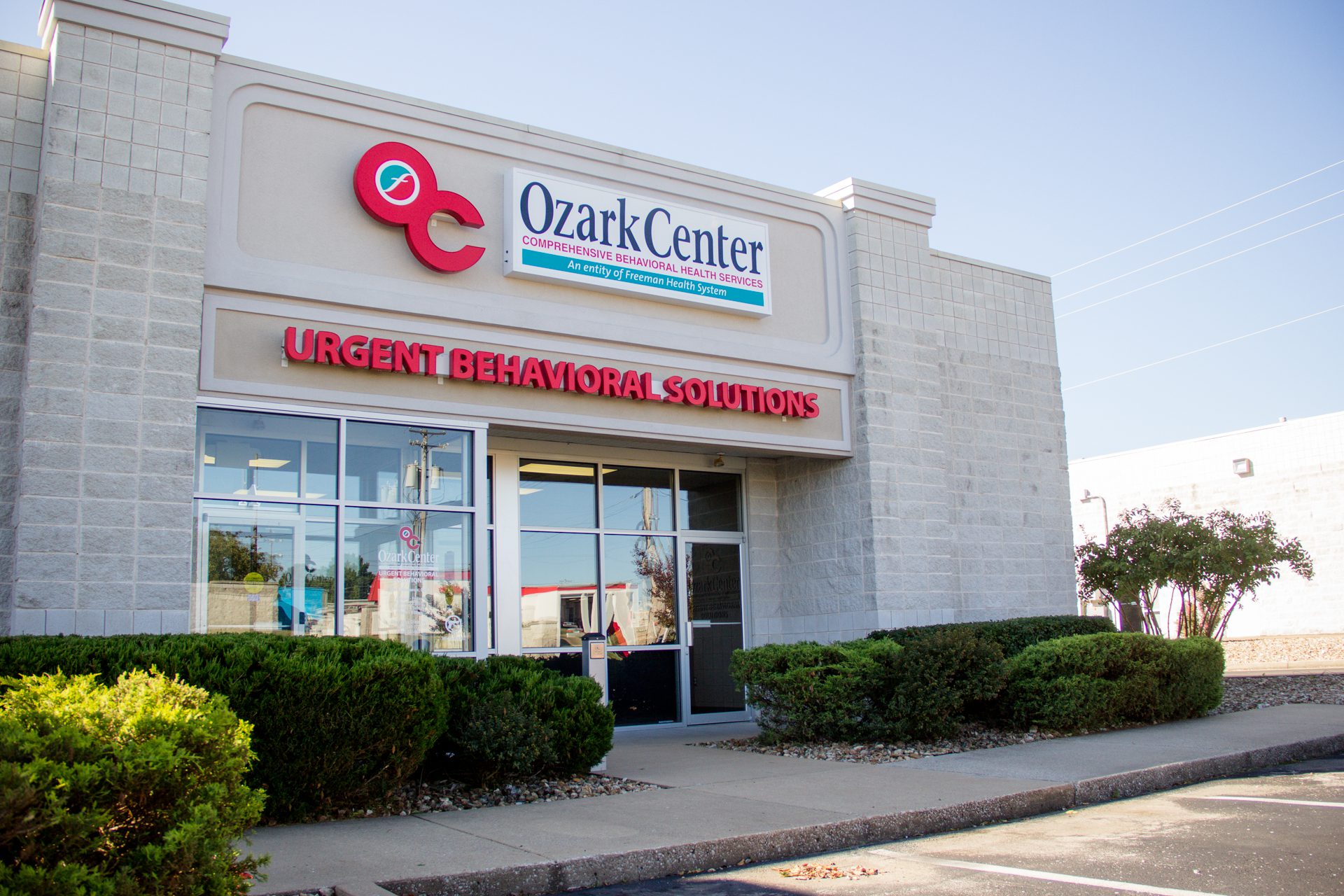
Community Crisis Training Opportunities
Ozark Center Crisis Services offers many suicide prevention training opportunities throughout the year. Please call 417.347.7600 for more information.
Mental Health First Aid
Mental Health First Aid USA (MHFA USA) course is designed to increase mental health literacy, decrease stigmatizing attitudes in our communities, and encourage people to seek assistance for any potential mental health problem. Certified MHFA USA Instructors teach the 12-hour course and instruct nonclinically trained individuals who don’t specialize in mental health how to give first aid to individuals experiencing a mental health crisis situation or who are in the early stages of a mental health disorder.
Participants learn the signs and symptoms of the most common mental health problems, where and when to get help, and what type of help is effective. The fee for the class is $30 and includes a training manual.
Question, Persuade, Refer – Gatekeepers for Suicide Prevention
Question, Persuade and Refer (QPR) are simple steps that anyone can learn to help save a life from suicide. Just as people trained in CPR and the Heimlich maneuver help save thousands of lives each year, people trained in QPR learn how to recognize the warning signs of a suicide crisis and how to question, persuade and refer someone to help.
In this 1-hour course, individuals learn to recognizethe warning signs of suicide and how to apply steps that can save lives. Each participant receives a QPR booklet and card with information on suicide prevention, in addition to resource information for treatment providers and support groups within their community.
Question, Persuade, Refer, Treat for Professionals
Question, Persuade, Refer, Treat (QPRT) is an 8-hour course that introduces professionals to suicide risk assessment from a medical, psychological and legal perspective. QPRT is the standard suicide risk assessment and safety plan integrated into medical treatment and referral plans. Students will enjoy increased competence and confidence in the assessment and management of those at risk for suicide.
Additionally, students will learn:
Counseling on reducing the Access to Lethal Means
Suicide is the 10th most common cause of death for those of all ages, and the 3rd leading cause of death for young people ages 15-24 in Missouri. Preventing these suicides is a very complex puzzle that requires all of us to work collaboratively to complete the picture. One piece of that puzzle that has proven effective is reducing access to lethal means–particularly firearms and medications.