Helping you move better and get back to life

Because you need to get back to work, get back in the game, or get back to living your life, Freeman Rehabilitation Services delivers personalized care aimed at making your recovery quick and effective.

Freeman Rehabilitation Services is a recognized leader in excellence of patient care for rehabilitation outcomes. Our goal is to provide individualized therapeutic intervention to restore function and reduce pain. We offer the most experienced clinicians and comprehensive outpatient rehabilitation therapy and inpatient physical rehabilitation services.

Our services

  • Aquatic therapy
  • Back pain
  • Golf Fitness2Perform
  • Inpatient physical rehabilitation unit
  • Lymphedema therapy
  • Pediatric therapy
  • Pelvic floor therapy
  • Physical therapy
  • Occupational therapy
  • Speech language pathology
  • Sports medicine
  • Train 2 Run class
  • Train 2 Perform classes
  • Work-related injuries
  • Selective functional movement assessment
  • Vestibular rehabilitation therapy (Neosho and Anderson locations only)

Rehabilitation services

Freeman Rehabilitation Services offers inpatient and outpatient occupational therapy in multiple locations. Occupational therapists work with patients to improve their ability to perform tasks in living and working environments. Occupational therapists use their expertise and knowledge to help with both recovery and adaptation.

Our therapists identify patient needs through comprehensive evaluations and then tailor intervention recommendations to improve performance in desired activities. Oftentimes, our therapists help patients by teaching them new ways to approach tasks.

Patients receive occupational therapy in a number of settings including acute care, home healthcare, pediatrics and work performance rehabilitation.

Occupational therapy may include:

  • Breaking down activities or complex tasks, such as cooking a meal, into achievable components or sequences
  • Assessment and treatment of performance skills
  • Adaptive equipment recommendation and usage training
  • Environmental adaptation, which may include creating ways to remove obstacles or make them manageable

Occupational therapy involves evaluation and treatment of a person’s abilities to perform activities of daily living which are often compromised due to illness, injury or surgery.

It will help with basic self-care tasks such as bathing, dressing, feeding and using the restroom.

In addition to assessing your upper body range of motion, fine motor coordination, and strength, your occupational therapist will look at your safety, endurance, and balance exhibited in self-care tasks. During therapy, you may be directed to use daily living activities or exercise to increase strength and endurance. To improve safety, increase self-care independence and minimize exertion, you learn to use adaptive equipment. You may receive recommendations about obtaining equipment and making modifications to your home environment.

Physical therapists work to increase safety, independence and balance. They can help you learn to use assistive devices, such as crutches, a cane or a walker. Occupational therapists work closely with physical therapists to increase mobility, but focus on activities of daily living, upper body strengthening and coordination.

Restoring, maintaining and promoting overall fitness and health

From infants to collegiate and professional athletes to senior citizens, Freeman physical therapists perform functional evaluations to develop and implement treatment plans for the best therapeutic outcomes for our patients. Learn more about physical therapy.

Physical therapists help restore function, improve mobility, relieve pain, and prevent or limit permanent physical disability for any patient suffering from injury or disease. Physical therapy focuses on improving function, strength, balance and coordination with a goal of improving, restoring or maintaining how an individual functions at work and at home. Physical therapists also teach patients to use assistive and adaptive devices, such as crutches, prostheses and wheelchairs.

We lead the region in the performance of functional capacity evaluations to determine job capacity, in conjunction with Freeman OccuMed.

Physical therapy is a therapeutic intervention that focuses on mobility, safety and physical independence. It can involve exercise and strengthening, balance activity, endurance, quality of walking, and patient/family education. Physical therapists are available to teach you how to be safe in your environment. They can help you gain as much independence as possible with or without the use of a cane, walker or crutches.

Physical therapists work to increase safety, independence and balance. They can help you learn to use assistive devices, such as crutches, a cane or a walker. Occupational therapists work closely with physical therapists to increase mobility, but focus on activities of daily living, upper body strengthening and coordination.

Please wear loose-fitting clothes that will easily reveal the affected part for examination.

Please arrive 30 minutes before your first appointment time. Doing so will allow time for all your admission paperwork to be completed.

You will consistently see the same team members responsible for your care.

We make every effort to accommodate our patients’ schedules.

Almost every patient will need to complete a home exercise program.

The first visit will last approximately an hour. Follow-up visits will be coordinated with your therapist.

You must follow precautions for at least 8 to 12 weeks. Your doctor may be able to give you a more specific time frame.

A social worker will speak with you and will arrange for you to receive a new cane, walker or crutches before your discharge. Freeman Health Essentials offers assistive devices. Call 417.347.7400 for more information.

Your therapist may provide you with specialized tools to increase your ability to do things on your own.

In order to prevent injury and joint stiffness after a stroke or injury, you may require a positioning device for your hand or arm. Your therapist will fit you with splinting.

Prolonged bed rest or injuries can cause swelling of the arms. Your therapist can make recommendations to reduce and prevent further swelling. These can include positioning, upper body exercises and specialized wrapping techniques.

Freeman Physical Rehabilitation Unit, the area’s only inpatient rehabilitation facility, provides comprehensive inpatient rehabilitation for patients who have experienced a disability from illness, trauma or surgery. Our services provide patients with the physical, emotional and spiritual support they need to meet their goals for returning to an independent lifestyle.

If you require a comprehensive approach to help regain your independence, Freeman Physical Rehabilitation Unit is the place for you. We provide care for patients dealing with a variety of medical issues including:

  • Orthopedic conditions
  • Brain injury
  • Spinal cord injury
  • Multiple trauma
  • Amputations
  • Polyarthritis
  • Neurological disorders
  • Cardiac/pulmonary conditions
  • Stroke
  • Other medically-complex conditions and illnesses

Rehabilitation care team

Our caring rehabilitation specialists are dedicated to helping patients rediscover lost abilities by encouraging self-reliance and increased independence. Our interdisciplinary team works closely together to design individual care plans for each patient. The team includes:

  • Physician specializing in rehabilitation medicine
  • Specialty consultants
  • Rehabilitation nurses
  • Physical, occupational, speech, and recreational therapists
  • Social worker and case manager
  • Orthotic/prosthetic consultants
  • Nutritionist
  • Psychologist
  • Clergy

What to bring

We encourage patients to bring items from home to make their stay more comfortable. Please remember that patients will be very active with therapy and daily activities and will need the following:

  • Clothing (exercise clothing and undergarments)
  • Rubber-soled shoes suitable for walking
  • Bathrobe and slippers
  • Nightgown or pajamas
  • Grooming items and toiletries
  • Glasses and/or hearing aids

Assessments

If you think a loved one would benefit from our services, please feel free to contact us to discuss our services or arrange a tour. We provide assessments at no charge.

Referrals

Anyone can refer patients to Freeman Physical Rehabilitation Unit. We receive referrals from physicians, social workers and family members. Recent hospitalization stays are not required for an acute rehabilitation admission. Home assessment visits are available. Grant us the opportunity to see if you or your family member would benefit from staying at the Freeman Physical Rehabilitation Unit. We welcome you to tour the unit and call with any questions.

Helping you with speech and swallowing difficulties

Freeman Rehabilitation Services offers both adult speech therapy and pediatric speech pathology. In addition to providing comprehensive speech therapy in multiple locations in the community, our speech therapists also offer swallow studies and treatment for patients dealing with swallowing difficulties.

Speech therapy serves individuals with cognitive communication disabilities as well as postneurological conditions. Patients may be referred to a speech therapist as a result of traumatic brain injury, stroke, dementia, a progressive neurological condition such as Parkinson’s disease, a learning disability, autism or any other condition that adversely affects speech, language or cognitive development.

Speech therapy is designed to aid in speech/language deficits and swallowing disorders. Initially the therapist will address establishing a reliable yes/no response. Reading, writing, speech, word generation, and all other forms of language will be addressed through a variety of tasks.

Many times speech therapy is required to help individuals who experience difficulty communicating and/or swallowing due to stroke, head injury, or other medical conditions. Therapy for communication is needed to assist in relaying needs/wants to the medical staff and/or family. A swallow evaluation may be necessary to assess what diet textures are best for safe and efficient swallowing to ensure that all food enters only the stomach.

A licensed speech/language pathologist will perform all speech/language and swallowing evaluations and treatments. A pathologist will see you at least once daily while you are in the hospital.

The speech pathologist will thoroughly examine your tongue and mouth including a probe for a gag. After an oral exam, you will be given a variety of textures of food and liquid to determine the least restrictive texture that you can safely chew and swallow.

If you have trouble swallowing or cough significantly after eating or drinking, the speech pathologist will recommend a Modified Barium Swallow (MBS) video to further assess your swallow.

An MBS video, an x-ray conducted in cooperation with radiology, enables the speech pathologist to view your swallowing. This video is taken in your room with you in bed and takes approximately 15 to 20 minutes. A small amount of barium will be put in various food and liquid textures for you to swallow. This test can further assess your swallowing.

Rehabilitation and therapy in Arkansas

Arkansas rehabilitation teams help patients recover after illness, injury or surgery. Inpatient and outpatient options include physical, occupational and speech therapy, with individualized plans to support daily activities and a return home.

Physical and occupational therapists evaluate pain and limitations, then develop an individualized plan to help you return to sports, work and daily activities. Treatment may include exercise, manual therapy, functional training and a home exercise program.

Therapy services

  • One-on-one evaluations and treatments
  • Men’s and women’s pelvic floor therapy
  • Dry needling by a certified provider
  • Lymphedema management by a certified therapist
  • Custom splinting
  • Joint and soft tissue mobilization
  • Manual therapy and therapeutic exercise
  • Neuromuscular re-education
  • Injury prevention and kinesiology taping
  • Fall prevention and vestibular rehabilitation
  • Gait training
  • Total joint rehabilitation
  • Pre- and postoperative care

Conditions treated

  • Acute and chronic pain
  • Arthritis
  • Balance and vestibular disorders
  • Headaches and fibromyalgia
  • Lymphedema
  • Pelvic floor dysfunction
  • Musculoskeletal pain
  • Neck and back injuries
  • Plantar fasciitis
  • Postoperative conditions
  • Sports injuries
  • Sprains, strains and fractures
  • Stroke and other neurological conditions
  • Trigger points
  • Vertigo and dizziness
  • Weakness and deconditioning

A doctor’s order is required for Arkansas physical and occupational therapy appointments. Your doctor may call or fax the order to a location below, or you may bring a printed order.

Speech-language pathologists evaluate and treat voice, speech, language and swallowing disorders from infancy through older adulthood. Services support people with hearing impairments, developmental disabilities, neurological conditions and other communication or swallowing difficulties.

  • Speech production and articulation
  • Resonance
  • Voice quality, pitch and loudness
  • Fluency, including stuttering
  • Language, literacy and communication
  • Cognition, including attention, memory and problem solving
  • Feeding, oral-motor function and swallowing

Contact a therapy location below to discuss availability and referral requirements.

Springdale Medical Center’s Acute Inpatient Rehabilitation Unit provides physical, occupational and speech-language therapy alongside rehabilitation nursing. Private rooms, around-the-clock physician coverage and an interdisciplinary care team support recovery after stroke, orthopedic surgery or injury, spinal cord injury, amputation, brain injury and other medical or neurological conditions.

The team works with patients and caregivers on an individualized plan, caregiver education and discharge planning. Patients must be medically stable and able to participate in an intensive therapy program. Call the unit to discuss an assessment, referral or tour; referrals may come from physicians, social workers or family members, and a recent hospital stay is not required.

Springdale Medical Center — Acute Inpatient Rehabilitation Unit

609 W. Maple Avenue
Harvey Jones Tower II, 3rd floor
Springdale, AR 72764

Main line: 479.757.2300
Fax: 479.757.2976

Cardiac rehabilitation

Recovering from a heart condition or procedure? Explore Arkansas cardiac rehabilitation services and contacts on our Heart & Vascular Care page.

Physical, occupational and speech therapy frequently asked questions

On the first visit, the patient will meet with a physical therapist, occupational therapist or speech therapist to review the history of the problem and other factors that may affect recovery. Then, a physical examination will be performed to see how movement and function is related to the condition. The therapist will work with the patient to determine the goals for therapy. Finally, a plan of care will be mutually developed with the patient to determine a treatment plan that considers the unique circumstances of the situation.

A referral needs to be made by a physician or healthcare provider, such as physician assistant or nurse practitioner. The referral can be sent directly to the rehabilitation center or a person may bring it themselves.

If there is medical necessity, almost all insurances cover physical therapy, occupational therapy and speech therapy. There is often a cost share in the insurance plan for the person in therapy, which varies by plan. Your insurance provider can estimate your cost share for you.

Treatment varies depending on individual context but always involves shared decision-making and an individualized active plan of care. An important aspect of all care is education, which may include exercise and different ways to perform activity. Techniques to minimize pain, lessen strain, avoid re-injury and speed your recovery are often part of the plan of care.

The plan of care is sent to the referral source, so that the provider who referred the person can certify the plan and ensure good communication. Regular progress notes are communicated with the referral source to ensure care is coordinated and safe.

Typical conditions that benefit from therapy include post-operative recovery, fall risk reduction, recovery following injury or disease, lymphedema, vertigo and musculoskeletal pain, as well as many other conditions.

Joplin

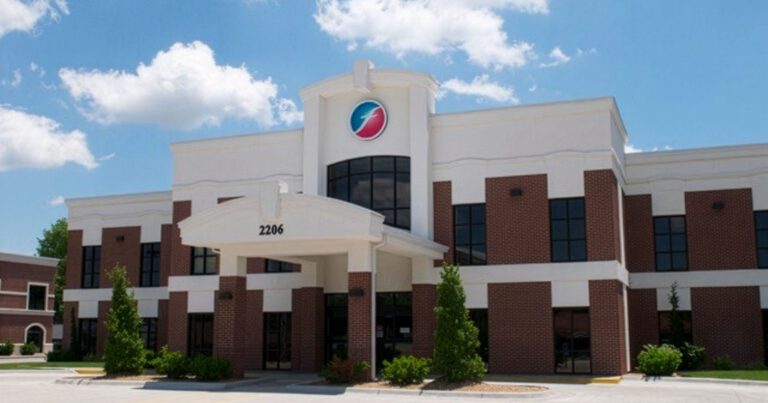
Freeman Rehabilitation and Sports Center

Physical Therapy, Occupational Therapy, Speech Therapy, Athletic Training

2206 East 32nd Street, Joplin, MO 64804

417.347.3737

Hours: 7:00 am – 7:00 pm Monday, Tuesday and Thursday; 7:00 am – 6:00 pm Wednesday and Friday

Freeman Work Injury Therapy

Physical Therapy

3201 McClelland Blvd., Joplin, MO 64804

417.347.3070

Hours: 8:00 am – 5:00 pm Monday – Friday

Freeman Pediatric Therapy

Physical Therapy, Occupational Therapy, Speech Therapy

932 E. 34th St., Joplin, MO 64804

417.347.6635

Hours: 8:00 am – 5:00 pm Monday – Friday

Neosho

Freeman Rehabilitation Services – Neosho

Physical Therapy, Occupational Therapy, Speech Therapy

346 S. Wood Street, Neosho, MO 64850

417.455.4353

417.347.4345 (Fax)

Hours: 8:00 am – 5:00 pm Monday – Friday

Carthage

Freeman Neighborhood Care – Carthage

Physical Therapy

1500 S. Case St., Carthage, MO 64836

Hours: 8:00 am – 5:00 pm Monday – Friday

Anderson

Freeman Physical Therapy of Anderson

Physical Therapy

510 Park St., Anderson, MO 64831

Hours: 8:00 am – 5:00 pm Monday – Friday